

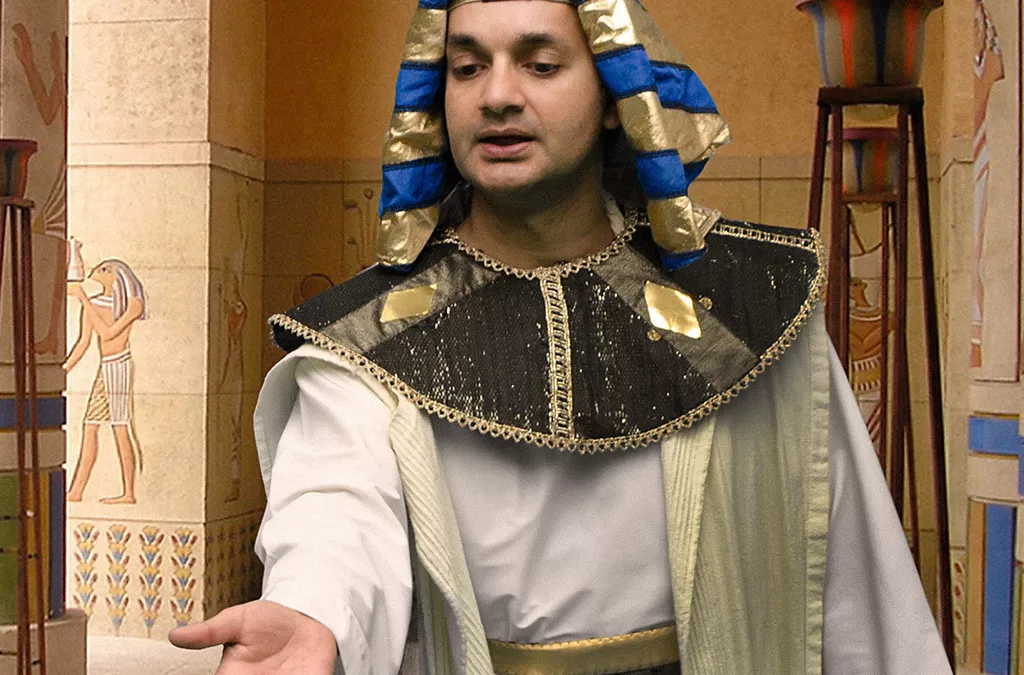

One day, Pharaoh awoke from a restless night, deeply troubled by two vivid dreams. In his first dream, he stood by the Nile River, where seven sleek, healthy cows emerged from the water and grazed peacefully among the reeds. But soon, seven gaunt, emaciated cows appeared and devoured the plump ones.

Disturbed, Pharaoh awoke but soon drifted back to sleep, only to have another unsettling dream. This time, he saw seven heads of lush, ripe grain growing from a single stalk. Then, seven withered and scorched heads of grain sprouted and swallowed the healthy ones. Pharaoh woke up again, unsettled by the haunting images.
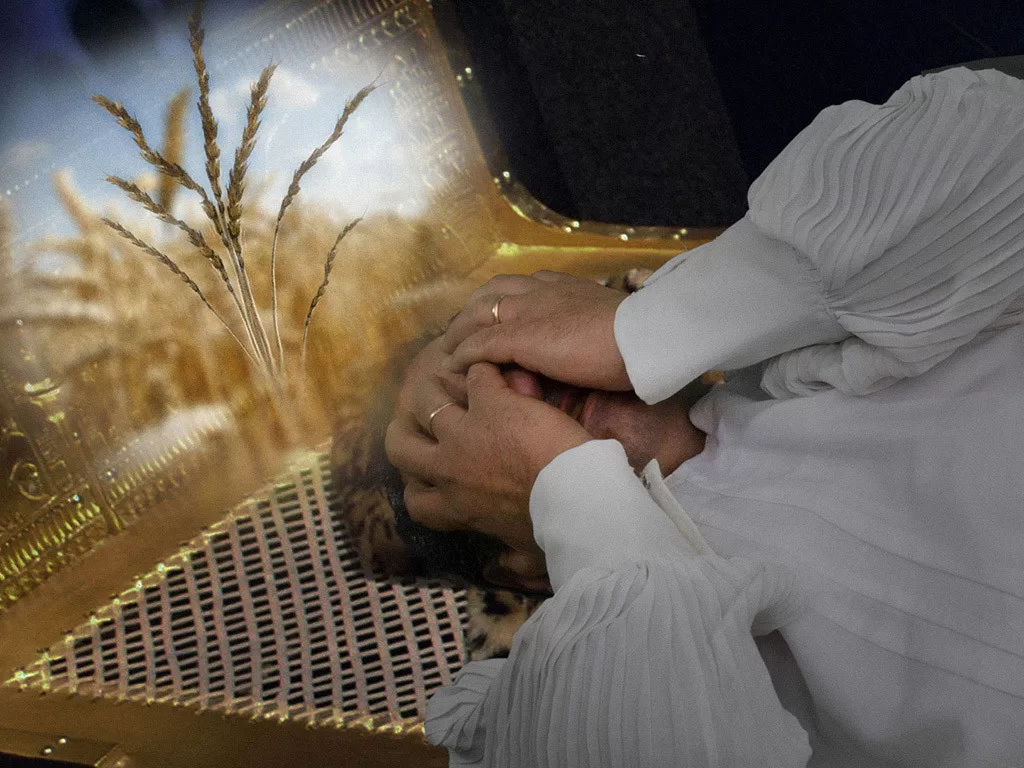
The next morning, Pharaoh summoned all the magicians and wise men of Egypt, hoping they could interpret these troubling dreams. Yet, despite their best efforts, none could decipher their meaning.
As Pharaoh grew increasingly frustrated, the chief cupbearer, who had been watching the scene unfold, stepped forward. He remembered Joseph, the young Hebrew prisoner with a gift for interpreting dreams. The cupbearer recounted how Joseph had accurately interpreted the dreams of both him and the chief baker while they were in prison, and how Joseph’s predictions had come true.
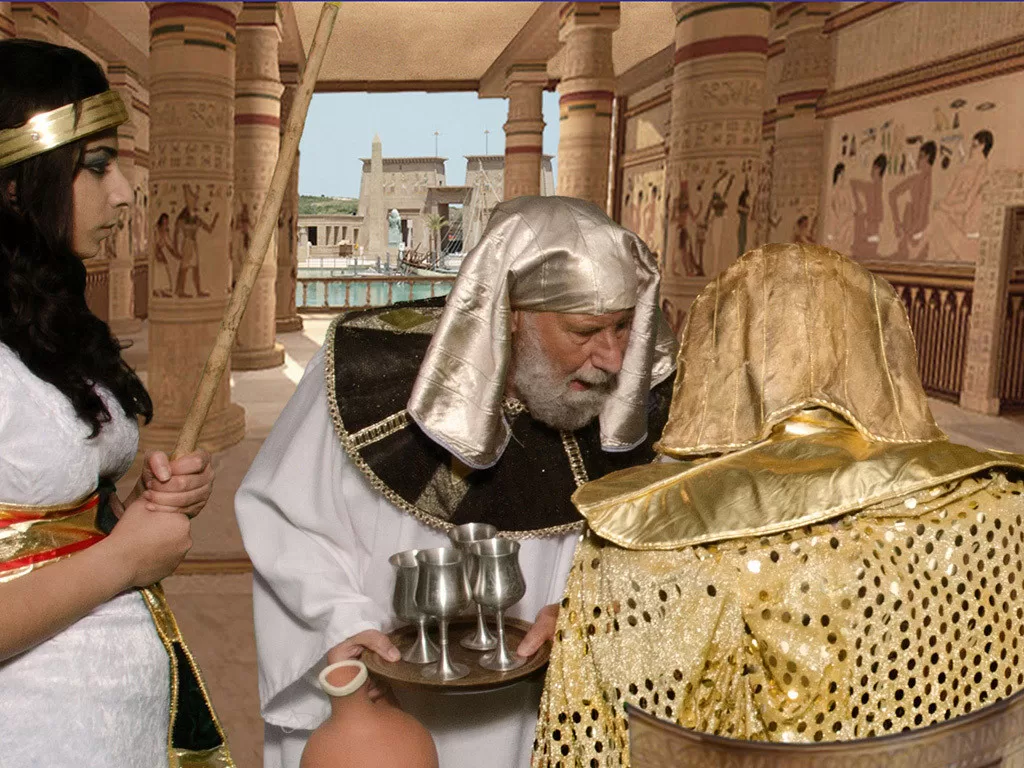
Pharaoh, eager for answers, ordered that Joseph be brought before him. Joseph was summoned from the depths of the prison and presented to the king. Standing before Pharaoh, Joseph listened intently as the king described his dreams.
Joseph, with humility and faith, replied, “It is not I who will interpret the dreams, but God will give Pharaoh the answer.” Pharaoh then explained the dreams in detail.
Joseph, guided by divine insight, interpreted the dreams with clarity. He revealed that the dreams were a single message from God about what was to come. The seven healthy cows and the seven ripe heads of grain represented seven years of abundance. The seven gaunt cows and the seven withered heads of grain symbolized seven years of severe famine that would follow the years of plenty. The repetition of the dreams, Joseph explained, signified that God had firmly decided on this course of events and would soon bring it about.
Joseph, wise and perceptive, offered Pharaoh practical advice. He suggested appointing a discerning and wise man to oversee Egypt during these upcoming years. This leader should be responsible for managing the land’s resources, collecting one-fifth of the harvest during the years of abundance, and storing it for use during the years of famine. Pharaoh and his officials found Joseph’s plan to be both prudent and compelling.
Recognizing the wisdom and divine insight within Joseph, Pharaoh made him the highest official in Egypt, second only to the king himself. He took off his signet ring and placed it on Joseph’s finger, adorned him with fine linen robes, and draped a gold chain around his neck. Joseph was given the honor of riding in Pharaoh’s chariot as his second-in-command and was bestowed with a new Egyptian name, “Zaphenath-Paneah.”
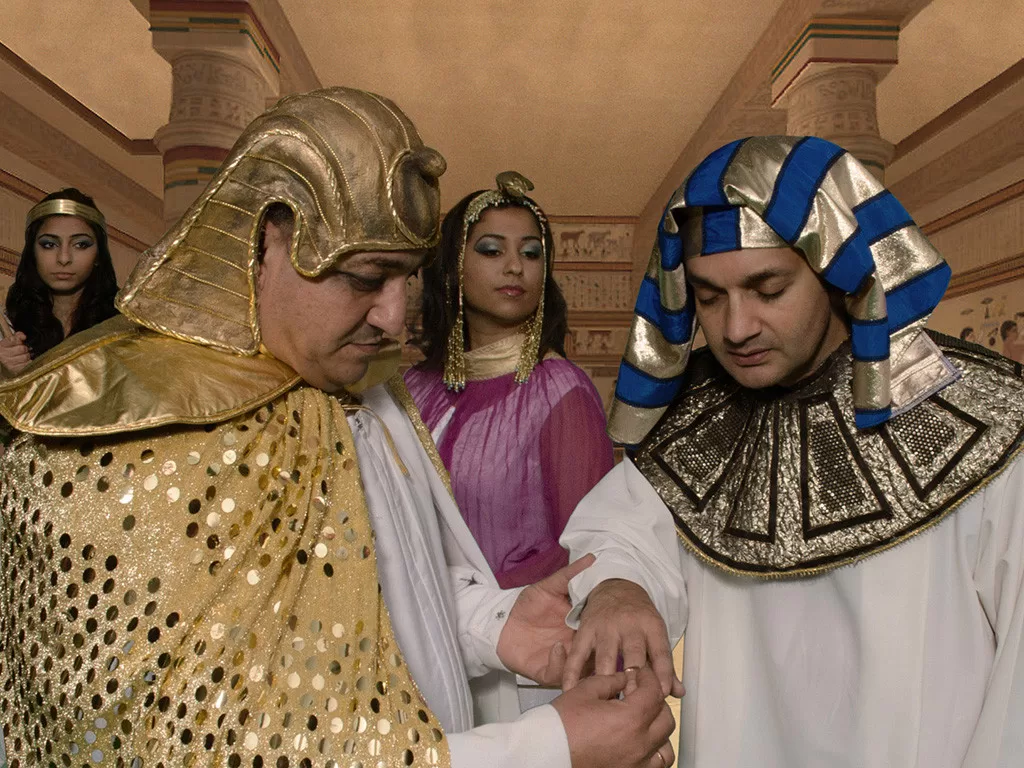
Thus, Joseph’s rise from prisoner to prime minister was a testament to God’s favor and a new chapter in his journey. During the seven years of plenty, Joseph efficiently gathered and stored vast amounts of food, preparing Egypt for the difficult years ahead.
